Home Page
Dancing can take many forms and different dances are employed for various reasons. This page, however, will focus on the artistry of figure skating.
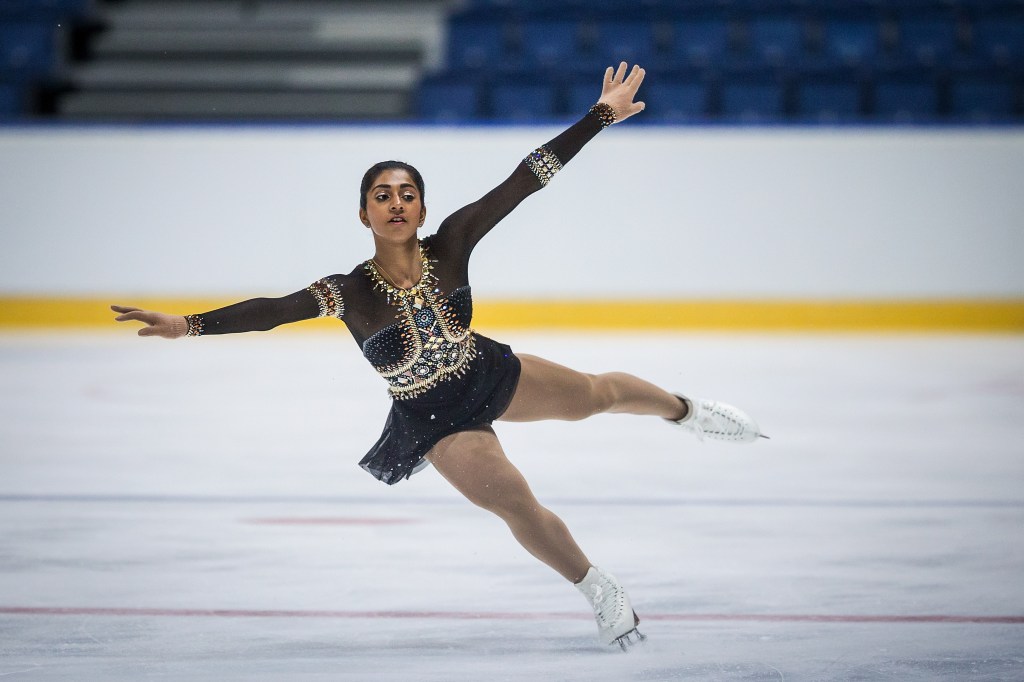
Unlike other forms of dancing, figure skating could be defined for its complexity due to the high demand of pressure and fatigue the body is placed under. Skaters must be able to sustain a high speed whilst performing flexible and dangerous moves. Figure skating is a unique sport as it can also be placed on the spectrum of being an art. Raising the question as to whether figure skating is a sport, or is it a form of art?
All forms of dance have context, for instance, how can gender play a role in figure skating? Simple questions and practices may reveal a lot about a form of dance. In relation to figure skating, why do females have to wear dresses or have a certain ‘figure’?
This blog aims to answer all questions raised above. Looking at the concept of figure skating being a sport or art, how gender is presented in figure skating, how is pain presented and embodied in figure skating and finally what life is life like off the ice?
“Dance is the timeless interpretation of life” – Shah Asad Rizvi
Art or Sport
This blog post aims to focus on the performance of figure skating. Can dance be artistic, and how can figure skating become a form of art? Why and how does figure skating become competitive? Most importantly, is figure skating a sport or method of art?
Gender in Figure Skating
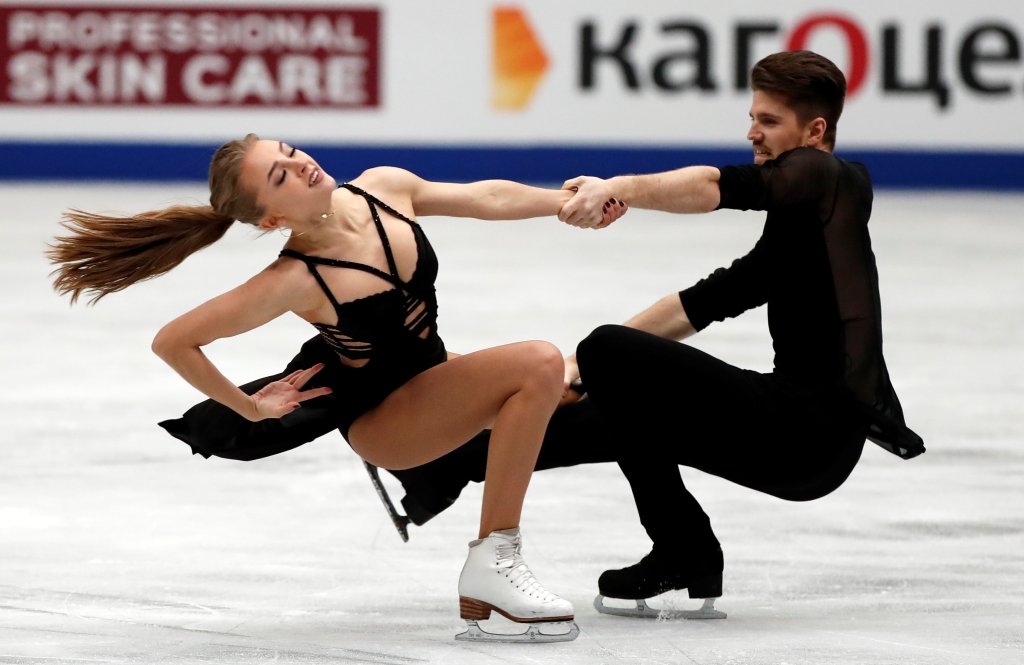
Gender plays a role in all sports, and figure skating is no exception, evident in the rules that are enforced and the gender boundaries that can be seen through judges’ critiques. This blog questions why gender is so important in figure skating and how figure skating is just one of the many sports that is heavily controlled by gender boundaries and constraints.
Training and Practice
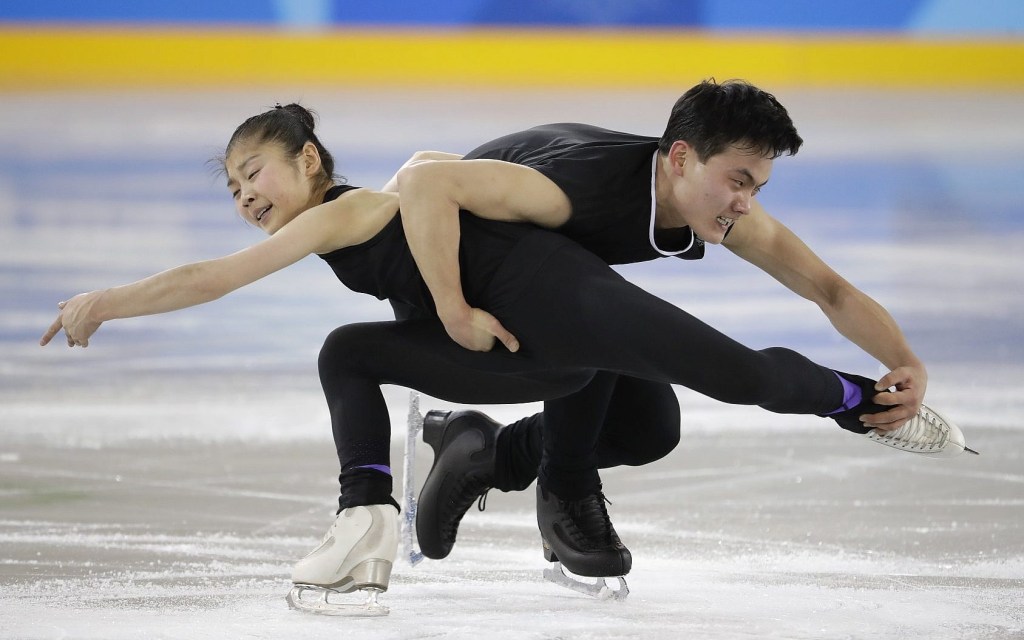
Figure skating is a highly intensive and demanding sport, so much so that it is not uncommon for skaters to be injured during training and practicing. However, experiencing pain can become normalised and in some situations dismissed in the figure skating world. Figure skating allows another understanding of pain and how it is embodied. Why do figure skaters train so intensively, to the point where their body begins to experience a physical toll?
Off the Ice
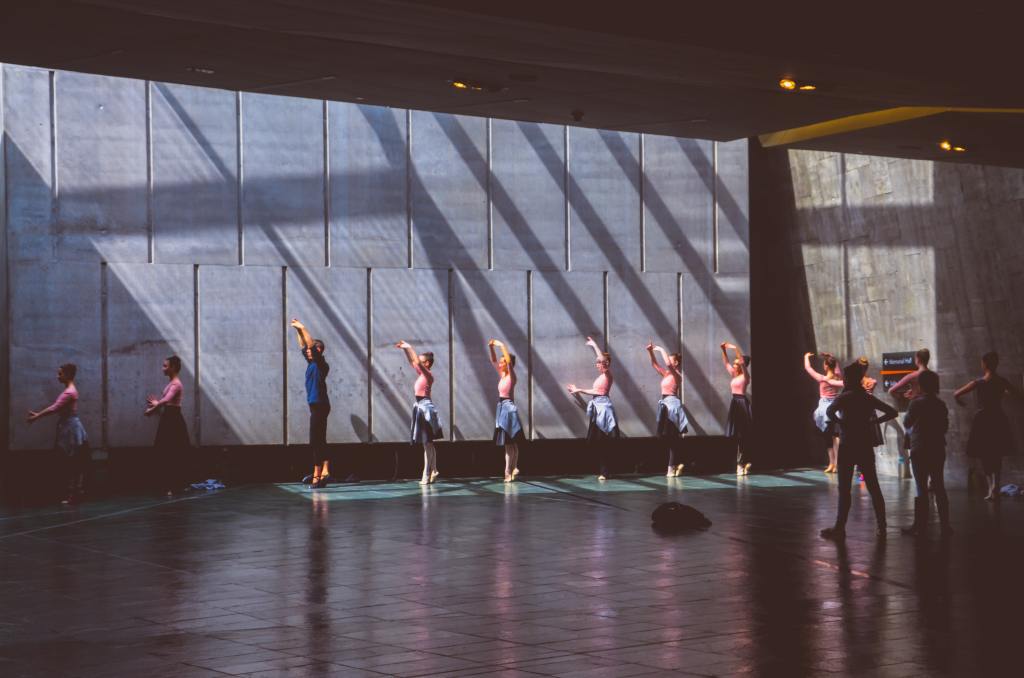
Once figure skaters leave the ring their body must continue to adhere towards figure skating practices. The lifestyle and culture of figure skaters can also be seen off the ice. The ongoing pressures that figure skaters experience also occur when not performing or even off the ice. To what extent do figure skaters lose control over their body, especially amongst young figure skaters? Are they allowed control over their own bodies when becoming a figure skater? This post examines how figure skaters embody the lived experience of being a skater off the ice.
 Yasmin's Figure Skating Blog